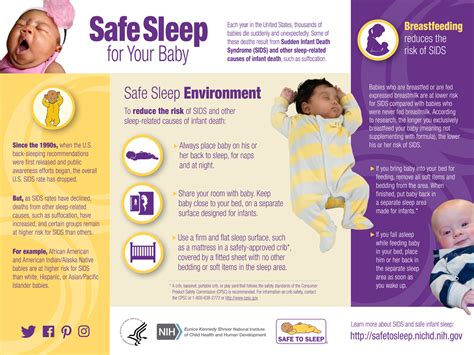
Don't let your baby sleep with any soft objects, including stuffed animals, until they're at least 12 months old. Soft toys, blankets, crib bumpers, pillows, and other bedding increase the risk of sudden infant death syndrome (SIDS) and death by suffocation or strangulation. It's important to keep your baby's crib free of clutter, including stuffed toys and other comfort objects. Put them in their crib, bassinet, or play yard with no loose bedding - just a tight-fitting sheet. (It's okay to put a thin, tight-fitting mattress pad under the sheet to protect against diaper leaks, too.)
Here are other ways you can keep your baby safe while they're asleep: Always put your baby on their back to sleep. Choose a safe crib, bassinet, or play yard. See our articles on the best bassinets, cribs, and play yards for tips on buying safe products. Use a firm, flat mattress. Don't use crib bumpers. Don't let your baby sleep in a car seat, stroller, swing, or bouncer. If your baby falls asleep in one of these products, transfer them to a crib, bassinet, or play yard as soon as possible. Don't co-sleep, but do share a room with your baby for the first 6 to 12 months. If your baby needs another layer for warmth, use a swaddle or sleep sack. Keep the temperature cool in your baby's room and don't overdress them. Give your baby a pacifier while they sleep, but don't attach it to their clothing. When your baby can sleep with a stuffed animal, after 12 months it is okay for your baby to bring a special toy or blanket to bed for comfort. It's still safest to keep their crib relatively empty - so don't give your child a pillow until they've transitioned from the crib to a bed.
Proč až po prvním narozeninách?
Why can babies sleep with a stuffy after their first birthday? By that point, your baby's risk of SIDS has dropped significantly. The likelihood of suffocation also diminishes because most 12-month-olds can roll over, sit up, and move objects away from their face. Many babies become attached to a particular object like a blanket or stuffed animal between 8 and 12 months old. Loveys or comfort objects are more than a sweet toy for your baby - they might actually be helpful as your baby experiences separation anxiety and gets used to new situations.
Další způsoby, jak uklidnit dítě před tím, než smí mít mazlíčka v postýlce
There are plenty of ways to comfort your baby before they're safely able to take a lovey to bed. One of the best ways to provide security to your little one is to create a predictable bedtime routine. At bedtime, going through the same motions day after day clues your baby into what they can expect. Each family's routine can be unique, but some common rituals include bath time, story time, a lullaby, and cuddling. If your baby is insistent on taking their lovey to bed with them and gets upset when you take it away at bedtime, try including the lovey in your bedtime routine. Let your baby cuddle the lovey during story time, and then give the lovey a goodnight kiss before settling it into a chair or bed of its own for the night.
After establishing a bedtime routine, you can also help your baby learn to self-soothe. This is a skill that takes time, but making a habit of putting them to bed drowsy but awake is a good first step. If your little one wakes at night, give them a chance to settle down and hopefully fall back to sleep on their own before going to comfort them. Pacifiers are a safe option for comforting your baby. If you're breastfeeding, some experts say to wait until breastfeeding is established (by about 3 weeks) to offer your baby a pacifier at naptime and bedtime. Letting your baby sleep with a pacifier can actually reduce the risk of SIDS. But don't attach a pacifier to your baby's clothing or hang it around their neck, because the ribbon or string it's tied to is a hazard. Don't give your baby pacifiers that have attachments, like stuffed animals, either.
Young babies may find it comforting to be snuggly swaddled when it's time to sleep. While a loose blanket isn't safe in a baby's crib, using a swaddle blanket is a good alternative. Before your baby is showing signs of rolling over, it's time to discontinue swaddling. This usually happens around 3 or 4 months, but can be as early as 2 months. Moving babies could break out of a swaddle and become tangled in their blankets, increasing their risk of suffocation.
Příběh a zkušenost rodičů
Jako příklad uvádíme zkušenost z praxe: "U nas to snad zaalo kolem 3.mesice. jeji postylka se mi zdala takova neutulna, tak jsem ji vyndala plysacka, ktereho jsem kdysi dostala od manzela. Plysak mel na packach suche zipy, tak jsem ji ho pripnula na postylku a tenkrat jsem vubec netusila, jakyho milacka ji tam davam... jako uplne malinka na nej nejdriv broukala, postupem casu si hrala s jeho nohama... Tygrik je neustale s ni, kdyz ji vynadam, jde si pro tygrika, kdyz spadne, jde si pro tygrika a pak se pomazlit ke me.. tygrik s ni spi, vstava, chodi na nocnik, (plysak ma svuj) vyleva po nem nocnik, chodi s ni na prochazku, kamkoliv jdeme, radsi ho beru, ma v nem urcity druh jistoty."
Ale i tak je důležité vybrat plyšovou hračku pečlivě. Plyšové hračky by měly být zdravotně nezávadné a bezpečné, od důvěryhodných značek s certifikáty. Před koupí se zaměřte na materiály vhodné pro nejmenší a na to, aby oči a čumáčky byly vyšité, ne lepené. Nesmrtelnou klasickou zůstávají plyšáci z plyše a vhodné jsou zejména usínáčky - nevycpaná hebká látka s přišitou hlavičkou, rukama a nohama. Starší děti mohou dostat plyšovou hračku jako polštářek nebo oblíbeného hrdinu.
Tipy pro výběr a údržbu
- Vyberte kompaktnější velikost, kterou dítě zvládne brzy uchopit a prozkoumat.
- Preferujte neutrální barvy, které neruší spánek.
- Oči a čumáčky by měly být vyšité, ne lepené.
- Pravidelně perte plyšáky a skladujte je na vhodném místě pro případnou výměnu.
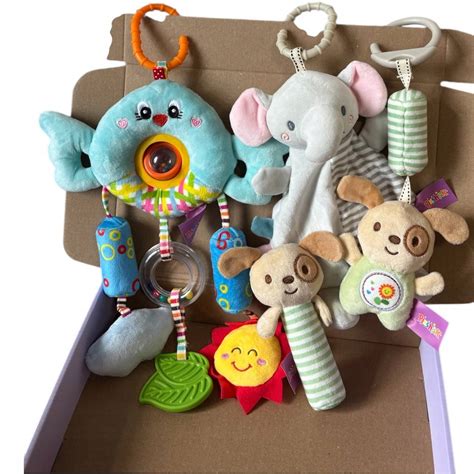
Často se stává, že si dítě svého prvního plyšového mazlíka oblíbí natolik, že ho několik následujících v podstatě nepustí z rukou. V takových případech oceníte kvalitu, která vydrží časté praní i nešetrné zacházení. Mějte připraveného „náhradníka“ pro případ, že originální plyšák bude potřebovat vyprat.
Bezpečný spánek pro vaše dítě
Na závěr si připomeňme hlavní bod: po prvním roce je bezpečné mít v postýlce oblíbeného mazlíčka, ale stále je lepší ji udržet relativně prázdnou a nepřehánět to s polštáři a dalšími předměty kolem hlavičky dítěte.